


Our Current

Research projects

Over the last few decades, the concept of miniaturization has been actively explored for the development of more efficient analytical platforms. Besides microfluidic devices, a number of analytical platforms have emerged for high-throughput molecular measurements. Towards this goal, our group is dedicated to advancing the understanding and applicability of microfluidic devices, nanomaterials, and electrochemical processes. We are focused on the development of integrated analytical approaches that span from highly specialized instrumentation to simple paper-based devices. Applications of these projects include the quantification of biomedically-relevant analytes, the design of biocatalysts, and the implementation of artificial intelligence to address analytical problems.

Machine Learning & Deep Eutectic Solvents (DES)

01

We develop machine learning tools to accelerate the discovery and design of deep eutectic solvents by predicting their formation and key properties in seconds.


Food Antioxidants

02

We study the chemistry of lipid oxidation to develop more effective antioxidant systems that extend food shelf life, reduce waste, and improve food quality.
Electrophoresis and Microfluidic Devices

03

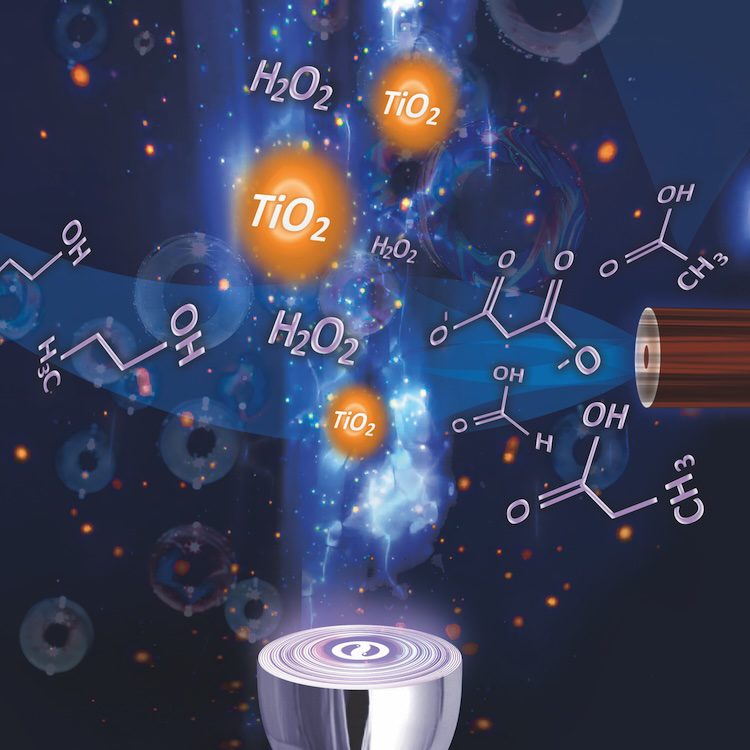
We develop capillary electrophoresis and microfluidic technologies for the rapid analysis of complex samples, with a focus on low-cost, portable platforms for point-of-need applications.

Electrochemical Biosensors

04

We develop portable electrochemical sensing technologies for biomedical and environmental applications, combining paper-based, wearable, and nanostructured electrode platforms with rapid respirometric assays.

Interaction of Macromolecules with Nanomaterials

05

We study adsorption processes to improve biosensor performance and develop sustainable separation strategies, from controlling protein–surface interactions to removing metals from renewable fuel feedstocks.
REU Program

06

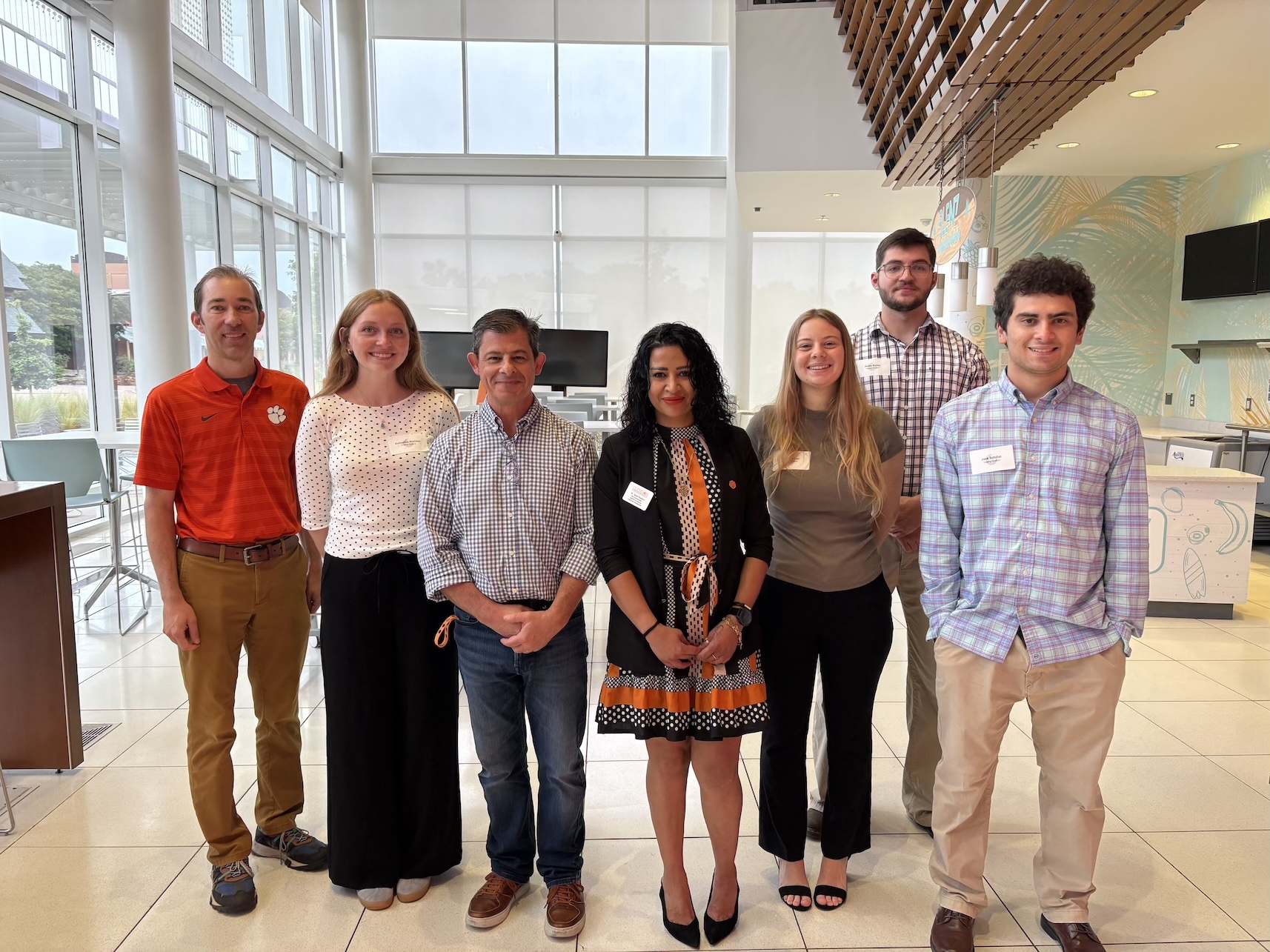
A multi-site REU program providing undergraduate researchers with hands-on experience in deep eutectic solvents through collaborative research and mentorship from leading experts.

Recent

Awards

received by our team

Outstanding Reviewers

/ 2025, Analytical Methods
Image of a beer glass with a sensor on the right

Top 10% of most-viewed papers

/ 2025, Analysis & Sensing
2023 elpho cover

Top 10% of most-viewed papers

/ 2025, Electrophoresis
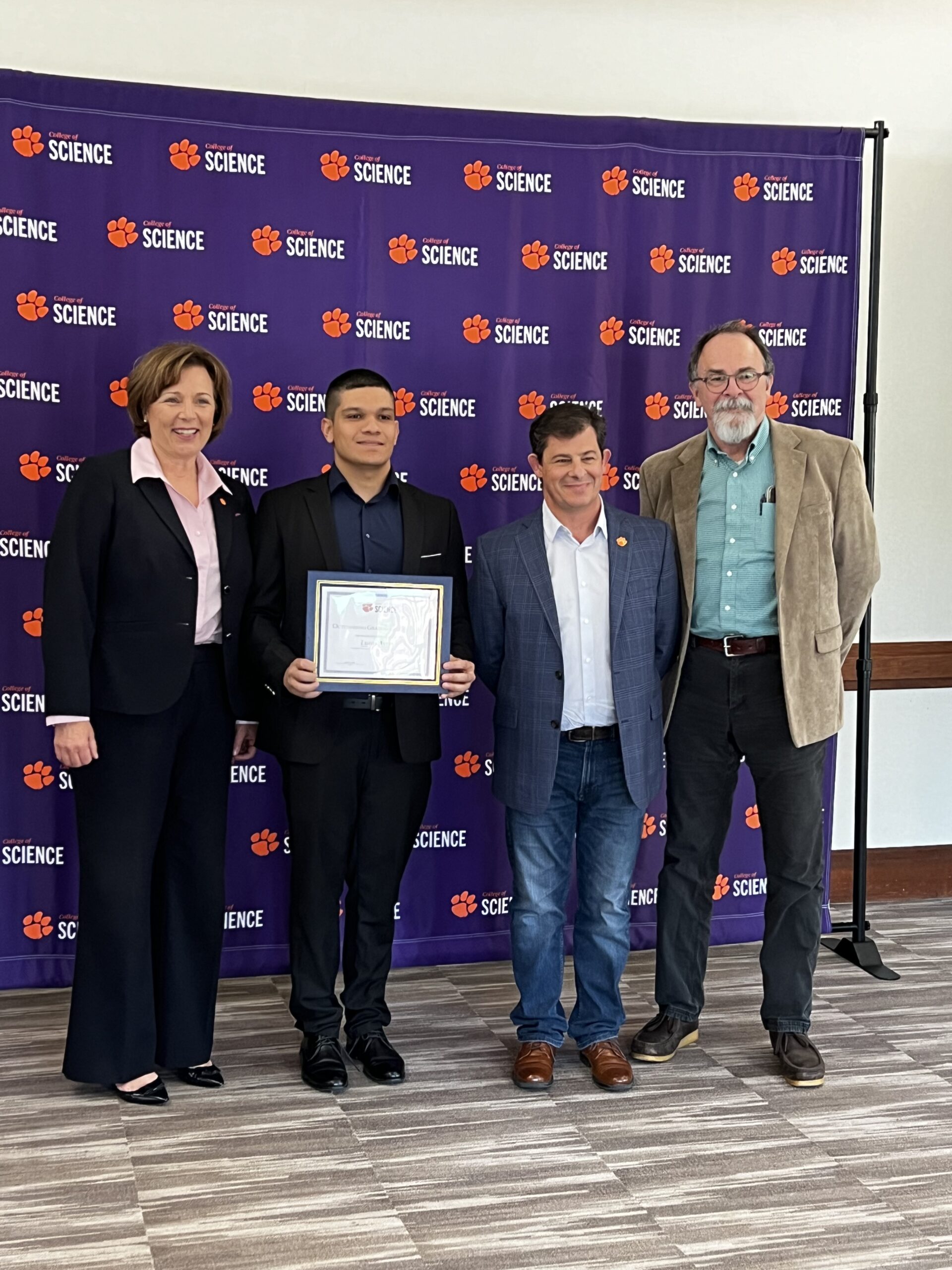
Picture of Dr. Ayres receiving an award

Graduate Award for Discovery

/ 2024, Lucas Ayres
Dr. Garcia and Dr. Ayres receiving an award from Provost Jones and Tanju Karanfil

Innovation award

/ 2014, CURF
Image of a beer glass with a sensor on the right
2023 elpho cover
Picture of Dr. Ayres receiving an award
Dr. Garcia and Dr. Ayres receiving an award from Provost Jones and Tanju Karanfil
$ 1 M+

External Funding Received

Our lab has received research funding from multiple organizations at the local, state, and federal level. We have also participated in multiple internationally-funded collaborations

Logo for NSF
CHE 2446835
Logo for ACREC
2024 ACREC
ACRE Logo
2024 ACRE
Logo for USDA-NIFA
2024 USDA
Logo for ACREC
2024 ACREC
Logo for the Clemson University Research Foundation
2023 CURF
ACRE Logo
2023 SCDA ACRE
ACRE Logo
2023 SCDA ACRE
Logo for ACREC
2022 ACREC
Logo for NSF
CHE 2227374
Logo for ACREC
2021 ACREC
Logo for NASA
STTR-21-1-T6.06-1513
Logo for NSF
CHE 2050042
Logo for NSF
CHE 2227374
ACRE Logo
2019 SCDA ACRE
Logo for NSF
OISE 1565508
Logo for Prisma Health
Research Seed Grant
Logo for NSF
CHE 1560300

local

Research

global impact

tiger rag

People

We are committed to developing a globally competitive STEM workforce, cultivating a welcoming environment that supports the principles of merit, competition, equal opportunity, and excellence without excluding any individuals or groups
medical network

Collaborations

We strive to build partnerships between academia and industry, leveraging resources to both increase economic competitiveness and educational opportunities
pres home

Intellectual Property

We aim to transfer creative solutions from the lab to the society by actively participating in the innovation ecosystem
person chalkboard solid

Community Engagement

We routinely engage in programs to increase the scientific literacy of the public, specially when related to our research projects
Top