
DES Properties via Machine Learning
We have recently demonstrated the utility of AI (Transformer-Based Model) to predict the formation of multiple, new, and stable DES (n=337) from a general database of natural compounds. We have also expanded these studies to more complex models, leading to predictions of the melting point of DES with an average ...
X-panded polyiodides and DES
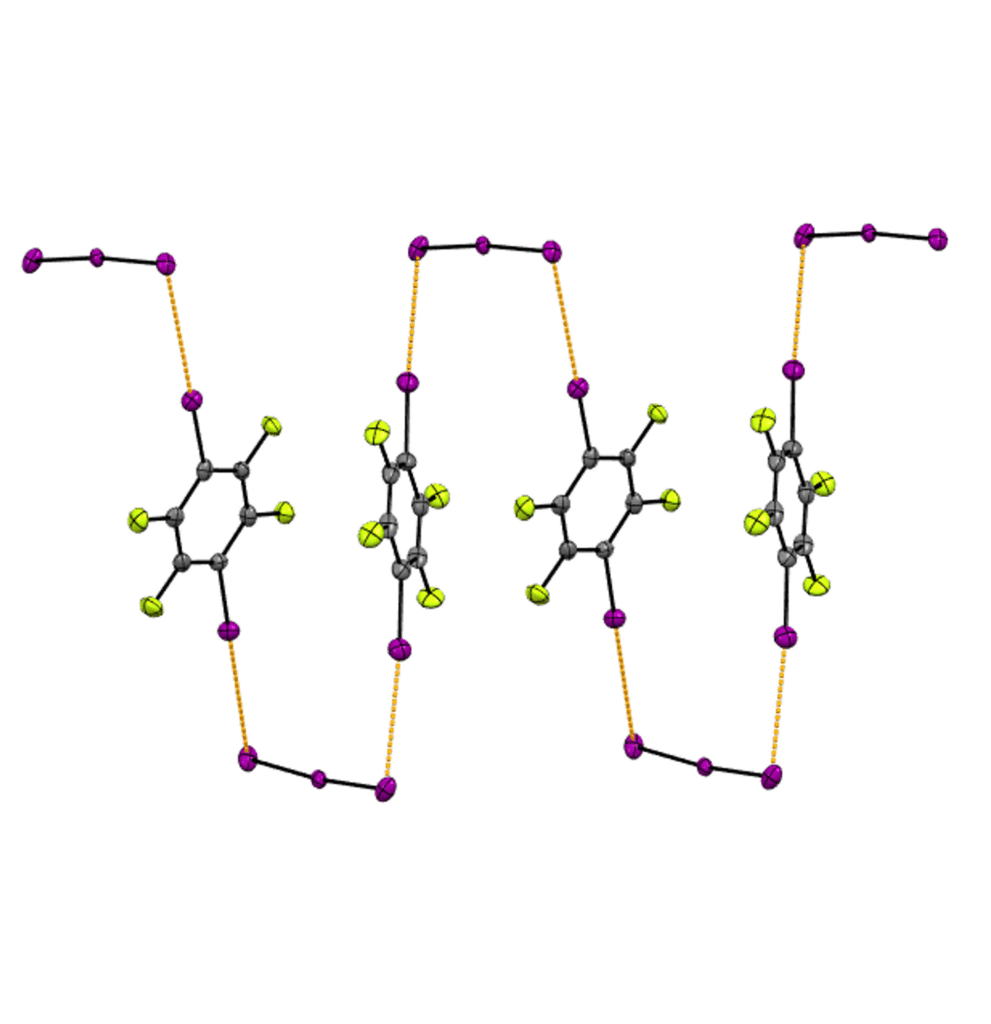
While most DES are formed by hydrogen bonding, Pennington’s group recently observed that grinding 1,3-dithiane with 1,2-F4DIB resulted in the formation of the first reported DES formed by halogen bonding (XB). This strong and highly directional interaction can be exploited to develop supramolecular synthons for rational crystal design and materials development ...
Stability of H-Bonding in Aqueous Mixtures of NADES
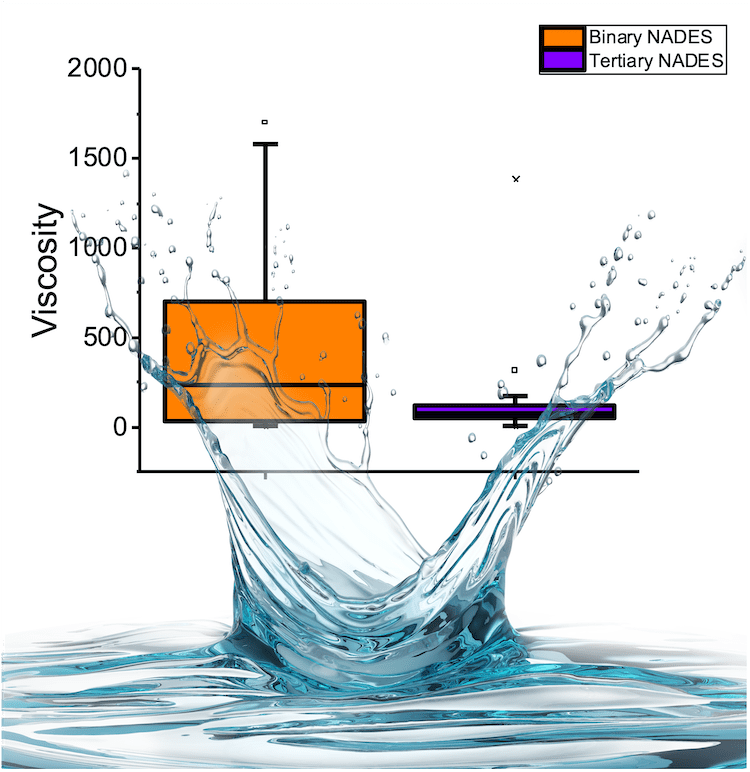
Most reported NADES are highly viscous at room temperature, a characteristic that is attributed to the formation of the hydrogen bonding network among their components and that represents the most pressing obstacle for their implementation in a wide variety of fields. Although different strategies have been presented to overcome this ...
Light emitting materials based on chiral DES
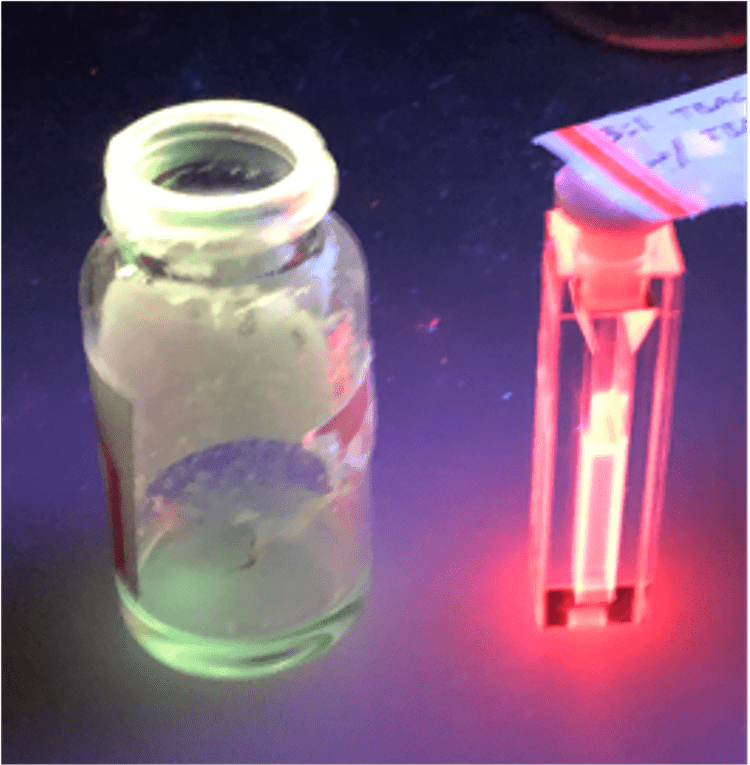
This research aims to develop and characterize circularly polarized light-emitting materials based on chiral DES that are solvents for luminescent lanthanide complexes. Recent work has demonstrated that chiral DES (incorporating at least one chiral component) can induce circularly polarized luminescence (CPL) from luminescent lanthanide (europium and terbium) complexes. These results ...

Interaction of DES with cells
The vast majority (>99%) of the injected nanoparticles do not reach their intended destination, which hampers their clinical application. Addressing this problem, the Tanner lab has recently demonstrated that specific choline-based DES can direct preferential accumulation in certain tissues while others can promote transdermal transport or even hitchhike onto blood ...
DES for Wood Pulping
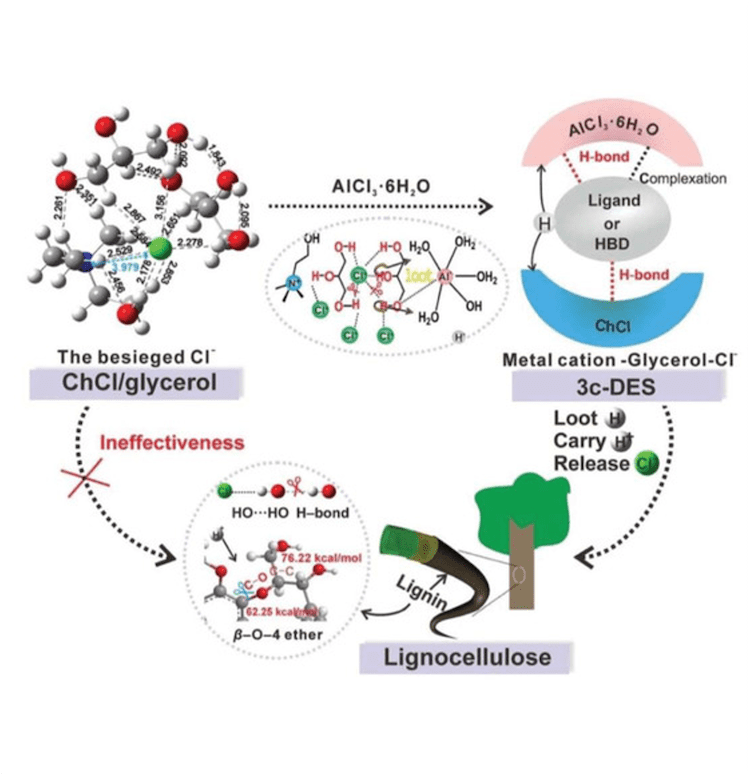
Characterized by low vapor pressure and ease of preparation, DES offer an adaptable platform wherein physicochemical properties such as acidity and polarity can be finely tuned to suit specific applications. Atilhan’s lab has explored these properties toward the delignification of wood chips with a moisture content of 50%, at low ...
Activity of NADES at the Multiomic Level
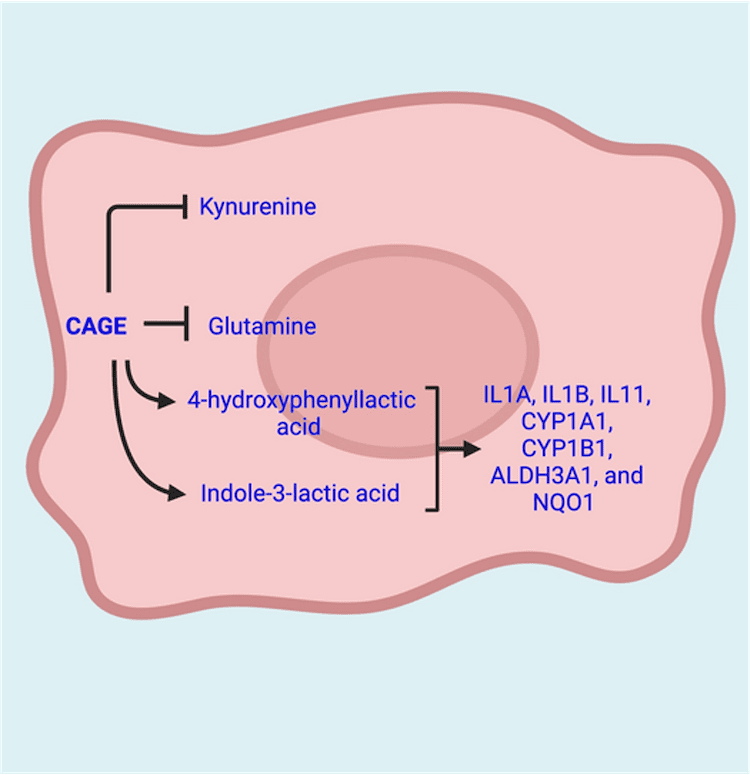
Due to improved biocompatibility, natural deep eutectic solvents (NADES) are increasingly explored in biomedicine.93 Yet, our understanding of how they interact with biomolecules at multiomic levels- metabolome, proteome, epigenome, and transcriptome - remains poor. Recently, Agatemor’s group found that a NADES designed from choline and geranic acid (CAGE) upregulates indole-3-lactic ...

DES for the Extraction of Contaminants
GUMBOS are solid-phase organic salts with melting points ranging from 25°C to 250°C that are particularly valuable in multiple aspects of the analytical workflow. For example, the hydrophobicity of GUMBOS can be adjusted by modifying the counterion or by incorporating nanomaterials through a simple reprecipitation method in water. Participants involved in ...

DES Deconstruction of Sweet Potato Vines to Separate Lignin
Separating lignin from cellulose in biomass is a necessary pretreatment step prior to converting them to biofuels or bioproducts. If byproducts from food production can be separated in an ecofriendly solvent at low pressures, biomass specifically grown for biorefining will not need to be shipped long distances. Thus, this project ...
Adsorption of PFAS onto DES
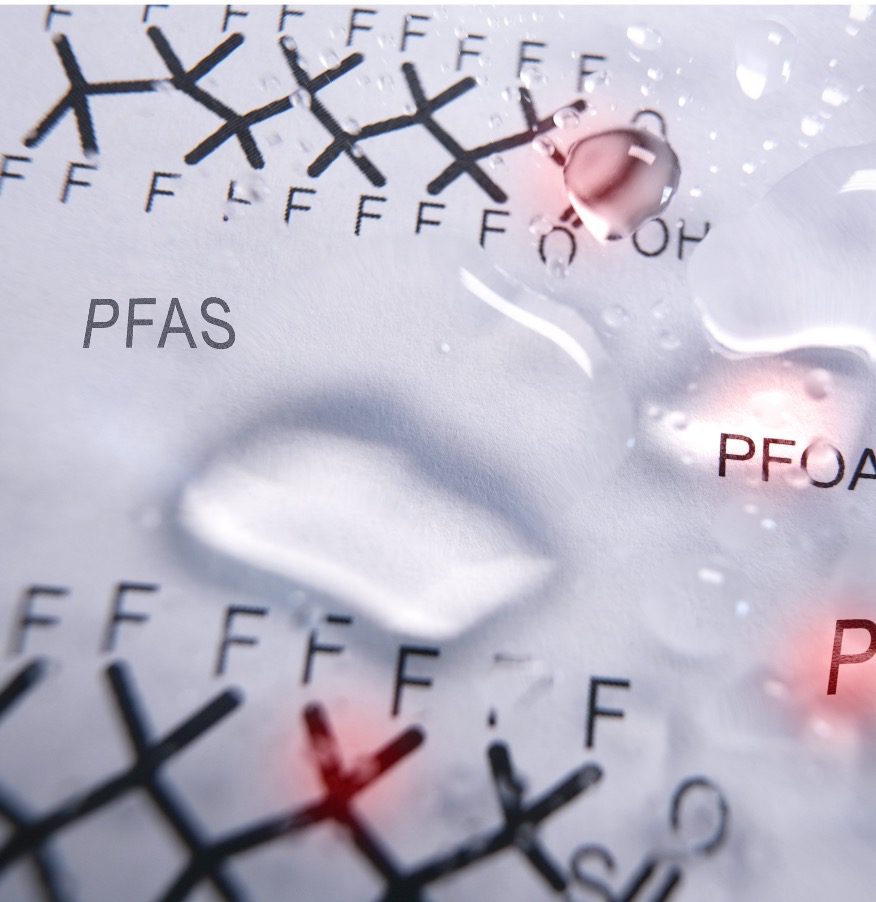
Perfluoroalkyl and polyfluoroalkyl substances (PFAS) are a diverse class of synthetic fluorinated organic substances that have been used in numerous industrial and commercial applications since the 1950s. Due to the extensive utilization of PFAS and subsequent release into the environment, a wide variety of these substances have been identified in ...