 University Home
 Chemistry
 Apply!
 Give
Give
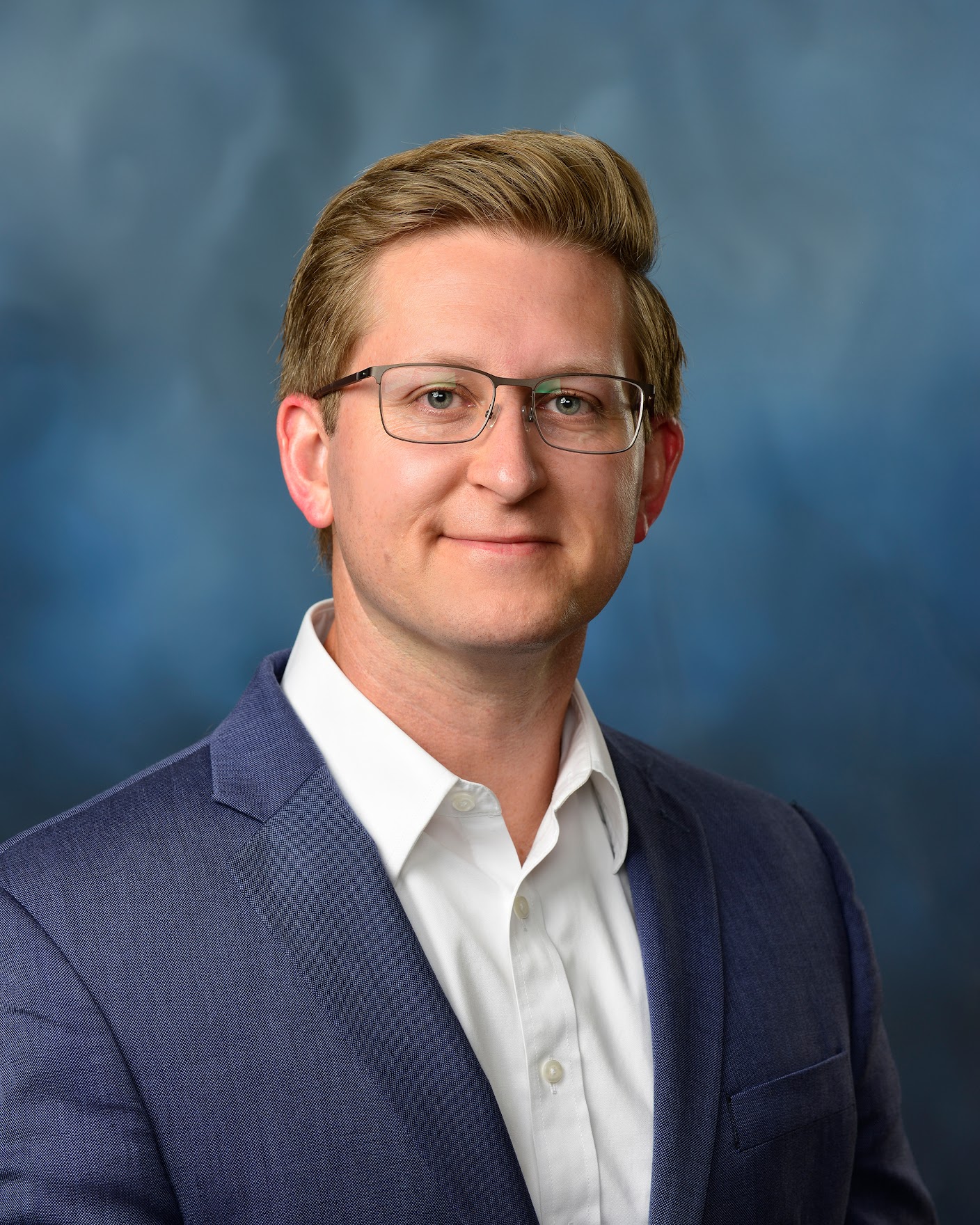
This year’s Keynote speaker is Dr. Christopher J. Easley from Auburn University.
Biosensing with Square-Dancing DNA Bowties
Biomarker quantification plays a vital role in human health management, disease diagnosis, and biomedical studies on patients, animals, or cell and tissue culture models. The ideal biosensor is capable of robust measurement even in complex media like blood or serum. A familiar example of a successful technology in point-of-care (POC) biosensing is used by hundreds of millions of diabetics and others daily, the glucometer, based fundamentally on electrochemical measurement. However, this device and many others are specialized to one or a few targeted biomarkers or analytes. There remains a need for a flexible, generalizable, biosensing platform in which a single signal transduction mechanism can be adapted to measure a wide range of analytes. Inspired by this problem, our group has developed several biosensors based on DNA monolayer structures at gold electrode surfaces. In contrast to DNA aptamer-based sensors, our latest method relies on DNA as a structural element, and we take advantage of chemical synthesis to make analyte-DNA bioconjugates. With these modular, DNA “bowtie” sensors, signal from square-wave voltammetry can be correlated to the structure’s movements via tethered diffusion and, therefore, the amount of surface-bound antibody. In this seminar, I will discuss the development of these bowtie sensors, the various chemical modifications we have made, and the binding model that we have developed to describe the operation of the sensors. Using the same core DNA structure and electrochemical signaling mechanism, bowtie sensors have been developed for quantification of a wide range of clinically important molecules such as antibodies, peptides, proteins, drugs, and small molecule hormones like testosterone, estradiol, and cortisol. Considering their ease-of-use and relatively fast readout, this system is poised to make an important impact in biosensing for disease diagnosis, health monitoring, and fundamental biological studies.
Latest Abstracts Accepted
[display-frm-data id=”4271″ limit=”4″ order=”ASC”]