A Stereodynamic Redox-Interconversion Network of Vicinal Tertiary and Quaternary Carbon Stereocenters in Hydroquinone-Quinone Hybrid Dihydrobenzofurans

9.  A Stereodynamic Redox-Interconversion Network of Vicinal Tertiary and Quaternary Carbon Stereocenters in Hydroquinone-Quinone Hybrid Dihydrobenzofurans

Storch, G.; Kim, B.; Mercado, B. Q.; Miller, S. J. Angrew. Chem. Int. Ed. 2018, 57, 15107-15111.

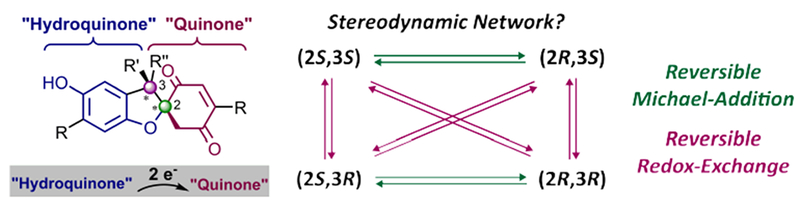
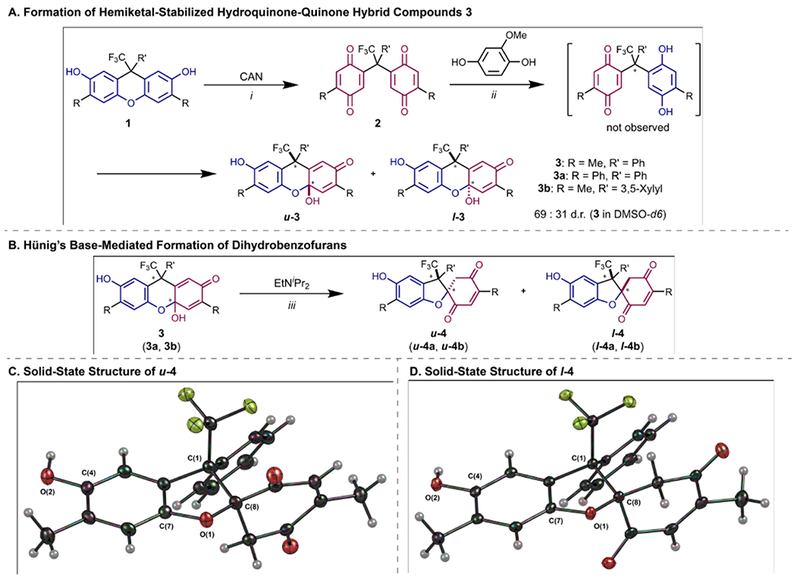
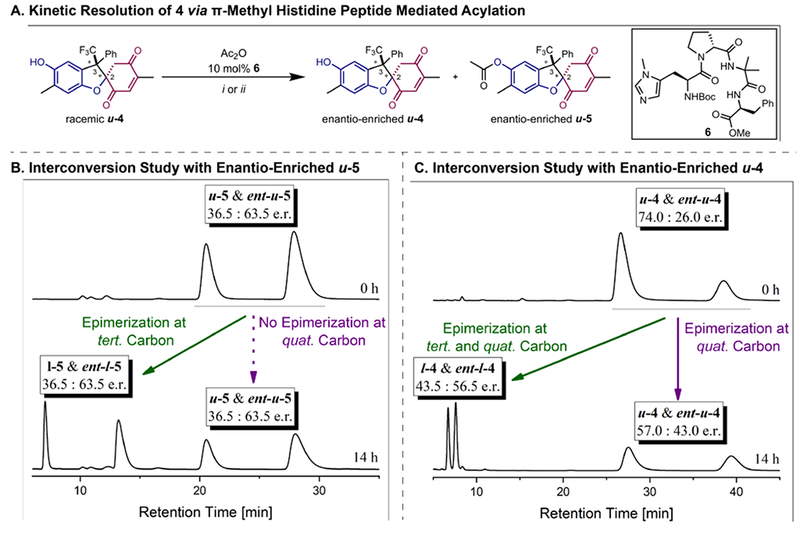
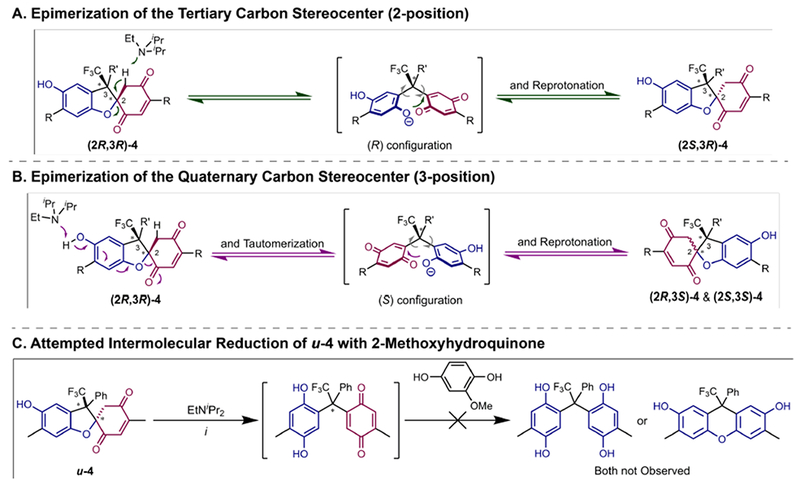
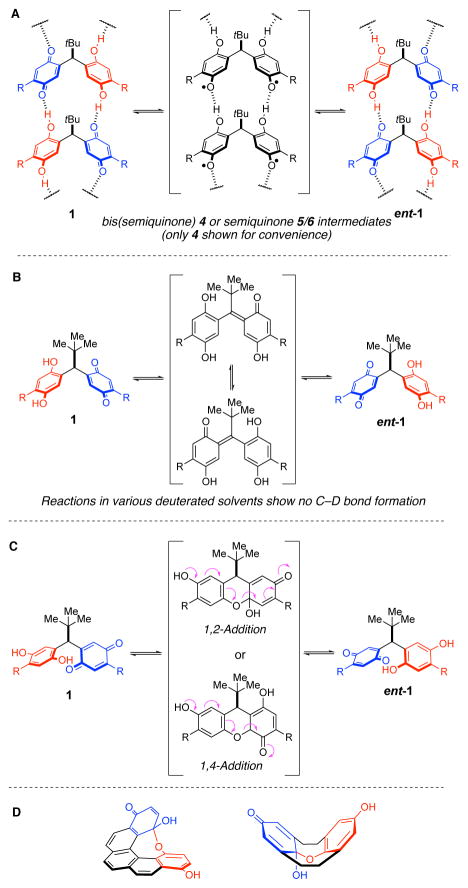
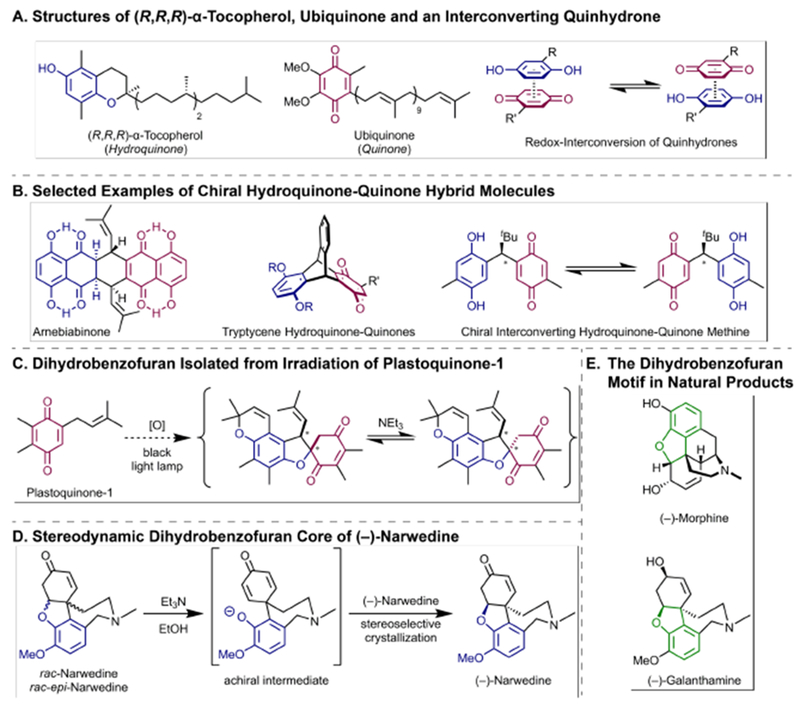
Reversible redox processes involving hydroquinones and quinones are ubiquitous in biological reaction networks, materials science, and catalysis. While extensively studied in intermolecular settings, less is known about intramolecular scenarios. Herein, we report hydroquinone-quinone hybrid molecules that form two-stereocenter dihydrobenzofurans via intramolecular cyclization under thermodynamic control. A π-methylhistidine peptide-catalyzed kinetic resolution allowed us to study the stereodynamic behavior of enantio- and diastereo-enriched dihydrofurans. In the course of this study, it was revealed that a reversible intramolecular redox-interconversion network connects all four possible stereoisomers via inversion of a quaternary carbon stereocenter without achiral intermediates. As a result, these findings on hydroquinone-quinone hybrid molecules provide insights into potential natural origin and synthetic access of the common dihydrobenzofuran motif.

Public Access »

View on PubMed »
Stereodynamic Quinone–Hydroquinone Molecules That Enantiomerize at sp3-Carbon via Redox-Interconversion

5. Stereodynamic Quinone–Hydroquinone Molecules That Enantiomerize at sp3-Carbon via Redox-Interconversion

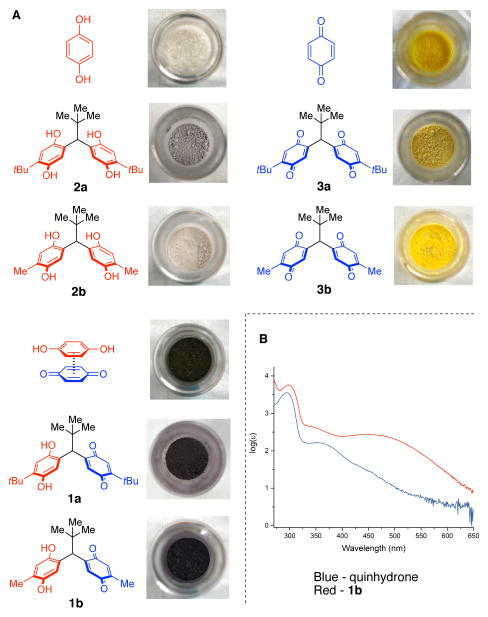
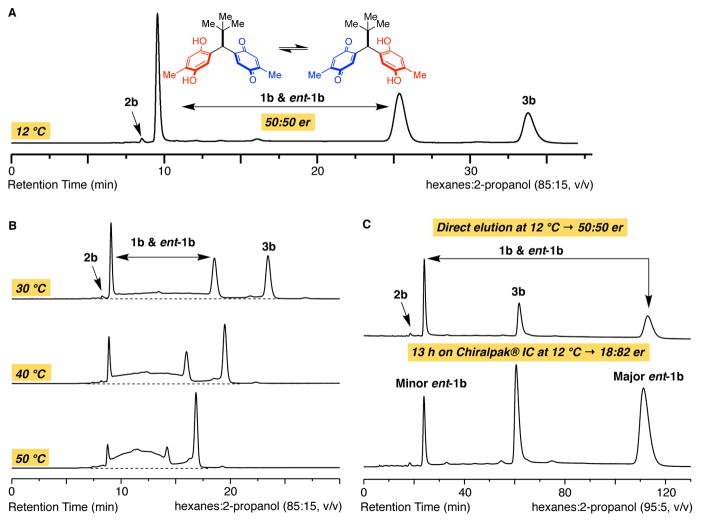
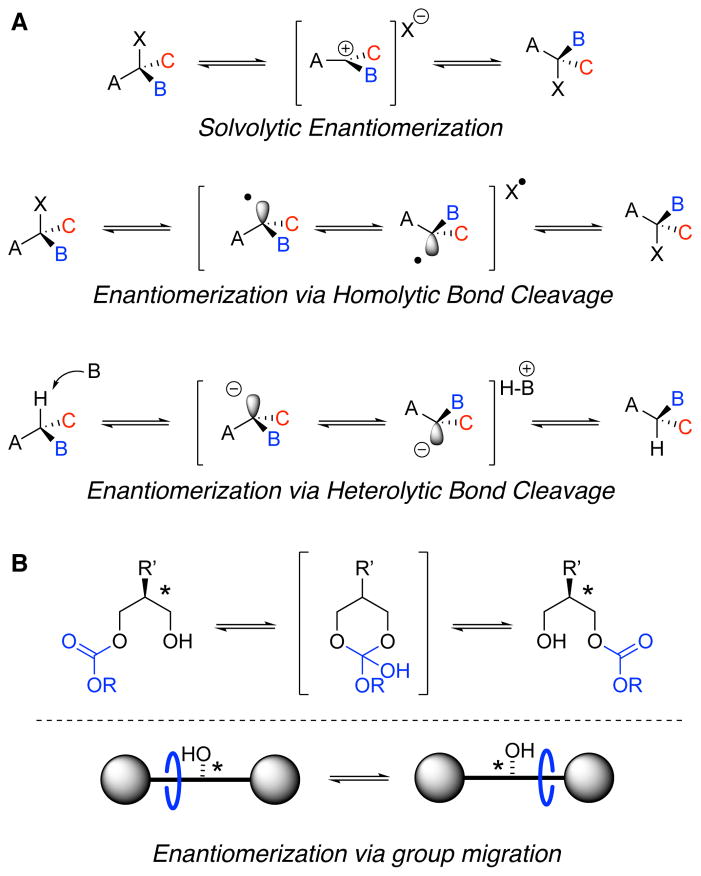
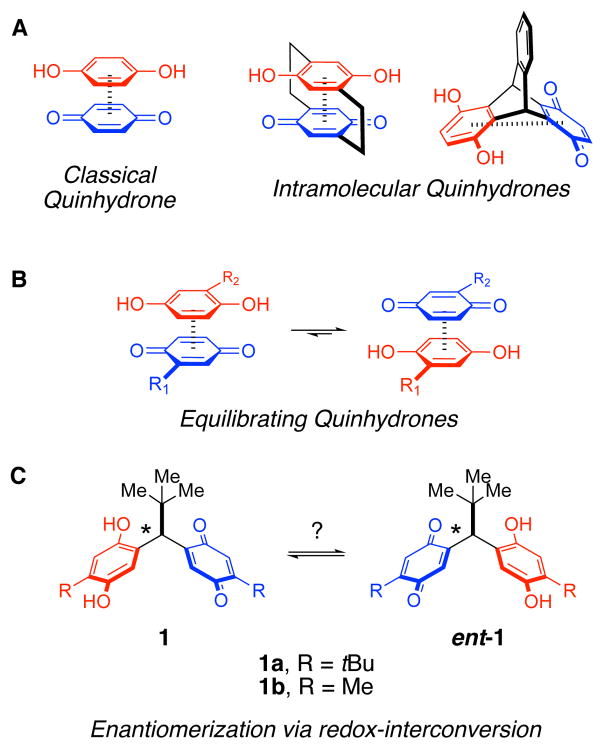
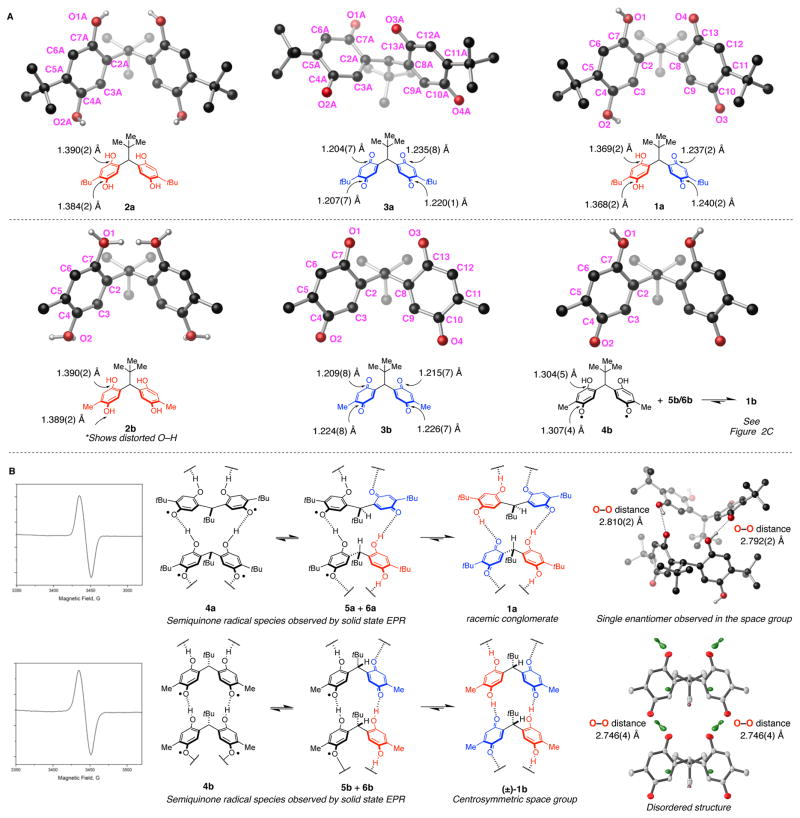
Since the discovery of molecular chirality, nonsuperimposable mirror-image organic molecules have been found to be essential across biological and chemical processes and increasingly in materials science. Generally, carbon centers containing four different substituents are configurationally stable, unless bonds to the stereogenic carbon atom are broken and re-formed. Herein, we describe sp3-stereogenic carbon-bearing molecules that dynamically isomerize, interconverting between enantiomers without cleavage of a constituent bond, nor through remote functional group migration. The stereodynamic molecules were designed to contain a pair of redox-active substituents, quinone and hydroquinone groups, which allow the enantiomerization to occur via redox-interconversion. In the presence of an enantiopure host, these molecules undergo a deracemization process that allows observation of enantiomerically enriched compounds. This work reveals a fundamentally distinct enantiomerization pathway available to chiral compounds, coupling redox-interconversion to chirality.
Download PDF »
View on PubMed »

Kim, B.; Storch, G.; Banerjee, G.; Mercado, B. Q.; Castillo-Lora, J.; Brudvig, G. W.; Mayer, J. M.; Miller, S. J. J. Am. Chem. Soc. 2017, 139, 15239–15244.

Inhibition of Steroid Sulfatase with 4-Substituted Estrone and Estradiol Derivatives

3. Inhibition of Steroid Sulfatase with 4-Substituted Estrone and Estradiol Derivatives

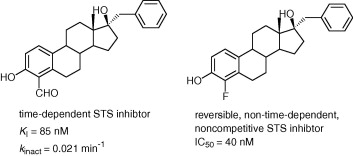
Steroid sulfatase (STS) catalyzes the desulfation of biologically inactive sulfated steroids to yield biologically active desulfated steroids and is currently being examined as a target for therapeutic intervention for the treatment of breast cancer. We previously demonstrated that 4-formyl estrone is a time- and concentration-dependent inhibitor of STS. We have prepared a series of 4-formylated estrogens and examined them as irreversible STS inhibitors. Introducing a formyl, bromo or nitro group at the 2-position of 4-formylestrone resulted in loss of concentration and time-dependent inhibition and a considerable decrease in binding affinity. An estradiol derivative bearing a formyl group at the 4-position and a benzyl group at the 17β-position yielded a potent concentration and time-dependent STS inhibitor with a K(I) of 85 nM and a k(inact) of 0.021 min(-1) (k(inact)/K(I) of 2.3 × 10(5)M(-1)min(-1)). Studies with estrone or estradiol substituted at the 4-position with groups other than a formyl group revealed that good reversible inhibitors can be obtained by introducing small electron withdrawing groups at this position. An estradiol derivative with fluorine at the 4-position and a benzyl group at the 17β-position yielded a potent, reversible inhibitor of STS with an IC(50) of 40 nM. The introduction of relatively small electron withdrawing groups at the 4-position of estrogens and their derivatives may prove to be a general approach to enhancing the potency of estrogen-derived STS inhibitors.
Download PDF »
View on PubMed »

Phan, C.-M.; Liu, Y.; Kim, B.; Mostafa, Y.; Taylor, S. D. Bioorg. Med. Chem. 2011, 19, 5999–6005.

Synthesis of 4-Formyl Estrone Using a Positional Protecting Group and Its Conversion to Other C-4-Substituted Estrogens

1. Synthesis of 4-Formyl Estrone Using a Positional Protecting Group and Its Conversion to Other C-4-Substituted Estrogens

4-Formyl estrone was synthesized in overall good yield in three steps starting from estrone. This was achieved by conducting an electrophilic aromatic substitution reaction using formaldehyde, triethylamine, and MgCl2 on 2-tert-butyl estrone, which was readily prepared in 96% yield from estrone using tert-butyl alcohol and BF3OEt2. The tert-butyl group acted as a positional protecting group to prevent reaction at the 2-position. The tert-butyl group was readily removed in good yield using AlCl3 in dichloromethane/CH3NO2. To our knowledge, this represents the first use of a positional protecting group for the synthesis of a C-4-modified estrogen. 4-Formyl estrone was used as a common precursor to obtain a variety of other C-4 modified estrogens in very high yields such as 4-methylestrone and 4-hydroxymethylestrone as well as the novel estrogen 4-carboxyestrone. The syntheses of 4-formyl, -methyl-, and -hydroxymethyl estrone represent dramatic improvements over previously reported syntheses of these compounds.
Download PDF »
View on PubMed »

Liu, Y.; Kim, B.; Taylor, S. D. J. Org. Chem. 2007, 72, 8824–8830.